Mumbai Pav Bhaji Recipe: Make Street-Style Bhaji at Home
Mumbai Pav Bhaji: The Iconic Street Food with Buttery Bread and Spicy Vegetable Mash
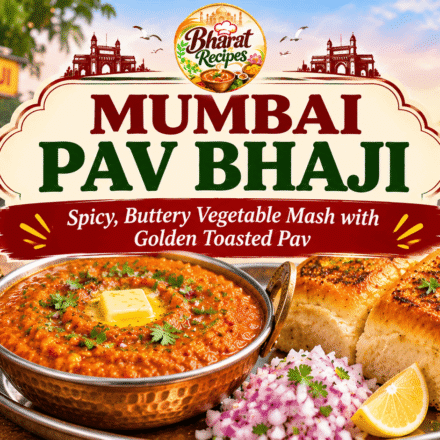
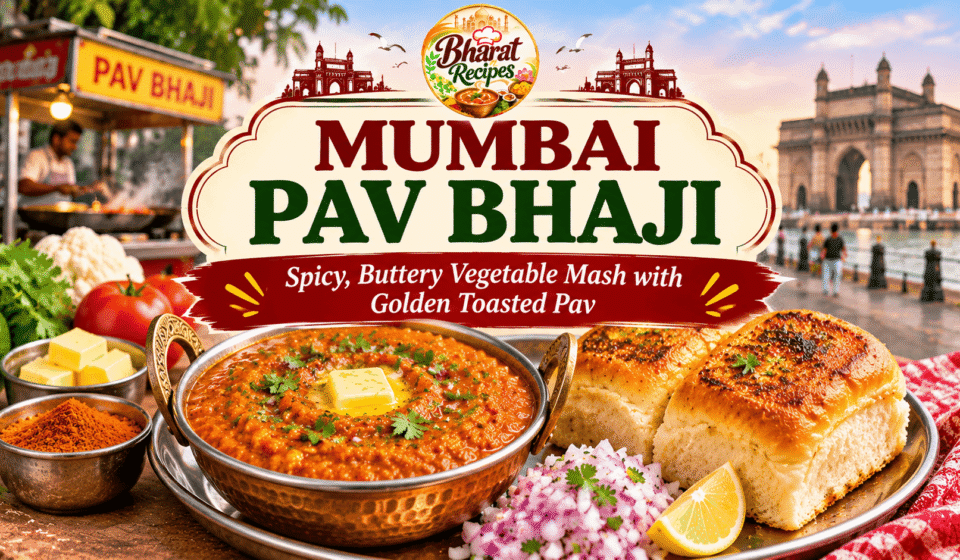
Few Indian street foods are as comforting as a plate of Mumbai pav bhaji. It arrives hot, with a generous serving of thick, spicy vegetable mash, soft bread rolls toasted in butter, chopped onions, fresh coriander and a squeeze of lemon. The aroma of pav bhaji masala and melting butter makes it hard to wait for the first bite.
This much-loved dish brings together simple ingredients and bold flavours. Potatoes give the bhaji its thick texture, while tomatoes add tanginess and mixed vegetables bring colour and depth. A special spice blend ties everything together. The pav, toasted on a hot tawa with butter, completes the meal.
You don’t need a street-side tawa or restaurant kitchen to enjoy authentic-style Mumbai pav bhaji. With a pressure cooker, a heavy pan and the right balance of spices, you can prepare a delicious version at home. This recipe explains each step, from cooking the vegetables to mashing the bhaji and toasting the pav.
Table of Contents
- What Makes Mumbai Pav Bhaji Special?
- A Look at the Story Behind Pav Bhaji
- Ingredients for Mumbai-Style Pav Bhaji
- How to Make Pav Bhaji at Home
- How to Get the Street-Style Taste Right
- Popular Pav Bhaji Variations
- What to Serve with Pav Bhaji
- Storage, Reheating and Make-Ahead Tips
- Common Pav Bhaji Mistakes to Avoid
- Frequently Asked Questions
What Makes Mumbai Pav Bhaji Special?
Mumbai pav bhaji is a popular Maharashtrian street food made with mashed vegetables cooked in a spiced tomato and onion base. The word bhaji refers to a vegetable preparation, while pav means bread roll. Together, they create a filling meal that works for lunch, dinner or an evening treat.
The bhaji has a thick, smooth texture, although some cooks leave small pieces of vegetables for a little bite. Potatoes form the base, and cauliflower, peas, carrots and capsicum add flavour. Tomatoes bring a pleasant tang, while pav bhaji masala gives the dish its familiar street-food character.
Butter is another defining ingredient. It adds richness to the bhaji and helps the spices blend into the vegetables. Street-style versions often use a generous amount of butter, both while cooking the bhaji and while roasting the pav. You can adjust the quantity at home without losing the main flavours.
The bread matters just as much as the curry. Soft pav rolls are sliced and toasted on a hot tawa until their cut sides turn lightly crisp and golden. They should remain soft inside, so they can scoop up the thick bhaji without falling apart.
A classic plate usually includes a lemon wedge, finely chopped onion and fresh coriander. Some people also enjoy extra butter on top or a spoonful of spicy red chilli paste. These simple additions balance the rich, spicy bhaji and make every bite more satisfying.
A Look at the Story Behind Pav Bhaji
Pav bhaji is closely linked with Mumbai’s working-class food culture. Popular accounts connect its early development with the city’s textile mills during the nineteenth century. Workers needed meals that were quick to prepare, affordable and filling. Vendors are often said to have combined vegetables, spices and bread to meet that demand.
The exact origin story is not fully settled, so it is best to treat these accounts as part of the dish’s popular history rather than a confirmed single invention. What is clear is that pav bhaji became strongly associated with Mumbai and its busy street-food culture.
The bread roll also reflects the city’s wider food influences. The word pav is commonly linked to the Portuguese word pão, meaning bread. Bread became part of everyday food culture in several parts of western India, including areas shaped by Portuguese and later migrant communities.
Over time, pav bhaji moved beyond its early street-food setting. Restaurants and food stalls developed their own versions, adding more vegetables, different spice balances and richer toppings. Today, you can find classic butter pav bhaji alongside cheese, paneer and other variations. Despite these changes, the basic idea remains familiar: a hot vegetable mash cooked with spices and served with butter-toasted bread. It is a simple combination, but one that has become a much-loved part of Mumbai’s food identity.
Ingredients for Mumbai-Style Pav Bhaji
This recipe serves 4 people. Use fresh vegetables and a good-quality pav bhaji masala for the best flavour. The quantities below give you a balanced, medium-spicy bhaji. You can increase the chilli or butter to suit your taste.
Ingredients for the Bhaji
- 3 medium potatoes, peeled and chopped
- 1 cup cauliflower florets
- ½ cup green peas, fresh or frozen
- 1 small carrot, chopped
- 1 small capsicum, finely chopped
- 3 medium tomatoes, finely chopped
- 2 medium onions, finely chopped
- 1 tablespoon ginger-garlic paste
- 2 tablespoons butter
- 1 tablespoon oil
- 1½ to 2 tablespoons pav bhaji masala
- 1 teaspoon Kashmiri red chilli powder
- ½ teaspoon turmeric powder
- ½ teaspoon cumin seeds
- 1 tablespoon lemon juice, or to taste
- Salt to taste
- 2 to 2½ cups water, as needed
- 2 tablespoons chopped fresh coriander
Ingredients for Toasting the Pav
- 8 pav rolls
- 2 to 3 tablespoons butter
- A pinch of pav bhaji masala
- A little chopped coriander, optional
For Serving
- 1 medium onion, finely chopped
- 1 lemon, cut into wedges
- 2 tablespoons chopped fresh coriander
- Extra butter, optional
Choosing the Right Vegetables
Potatoes provide the body of the bhaji, so don’t leave them out. Cauliflower and peas add a mild sweetness, while carrots bring colour. Capsicum gives the dish a familiar savoury aroma, especially when cooked with the masala.
You can adjust the vegetable mix according to what you have at home. Pumpkin or French beans can work in small quantities. However, avoid adding too many vegetables with strong flavours. The aim is to create a balanced mash in which no single vegetable takes over.
Choosing Pav Bhaji Masala
Pav bhaji masala is a key part of this recipe. It is a prepared spice blend that gives the bhaji its distinctive aroma and flavour. Most Indian grocery stores stock it, and you can also find it online.
Different brands vary in heat, salt and spice balance. Start with 1½ tablespoons, taste the bhaji and add more if needed. If your masala already contains plenty of chilli, reduce the separate red chilli powder.
How to Make Pav Bhaji at Home
The recipe has three main stages: cooking the vegetables, preparing the masala base and bringing everything together. Take your time with the onion and tomato mixture. A well-cooked base gives the bhaji a deeper flavour.
Step 1: Cook the Vegetables
Wash and prepare the potatoes, cauliflower, peas and carrot. Add them to a pressure cooker with about 1½ cups of water, turmeric and a little salt.
Pressure-cook until the vegetables become completely soft. Depending on your cooker and the size of the pieces, this may take around 3 to 4 whistles. Allow the pressure to release naturally before opening the cooker.
Drain the vegetables if there is too much cooking liquid, but keep the liquid aside. You can use it later to adjust the consistency of the bhaji. Mash the cooked vegetables with a potato masher until mostly smooth. A few small pieces are fine.
If you don’t have a pressure cooker, cook the vegetables in a covered saucepan with enough water. Simmer until they are soft enough to mash easily.
Step 2: Prepare the Masala Base
Heat oil and butter in a large, heavy-bottomed pan or kadai. Add cumin seeds and let them sizzle for a few seconds. Add the finely chopped onions and cook over medium heat until soft and lightly golden.
Add the ginger-garlic paste and cook until its raw smell fades. Stir regularly so the paste doesn’t stick to the pan. Next, add the chopped capsicum and cook for 2 to 3 minutes.
Add the tomatoes and a little salt. Cook until they soften and begin to break down. Stir occasionally and press the tomatoes with the back of your spoon to help them form a thick mixture.
Step 3: Add the Spices
Add pav bhaji masala and Kashmiri red chilli powder to the tomato mixture. Stir well so the spices coat the vegetables evenly. If the mixture looks dry, add a small splash of water.
Cook the masala for 2 to 3 minutes over low to medium heat. This short cooking stage helps the spices release their aroma. Avoid adding the masala too early, before the onions and tomatoes have cooked properly.
Step 4: Combine the Masala and Vegetables
Add the mashed vegetables to the pan. Mix thoroughly so the tomato masala spreads through the mash. Pour in some of the reserved vegetable cooking water and stir again.
The bhaji should be thick but soft enough to spread on a plate. Add more water if it looks too dense. If it becomes too thin, simmer it uncovered until some moisture evaporates.
Step 5: Mash and Cook the Bhaji
Use a potato masher or the flat edge of a sturdy spatula to mash the vegetables against the base of the pan. Continue pressing, mixing and folding until the bhaji becomes smooth and evenly coloured.
Cook over low to medium heat for another 8 to 10 minutes. Stir frequently to prevent the bottom from catching. As the bhaji cooks, its colour deepens and the spices blend with the vegetables.
Taste and adjust the salt, pav bhaji masala and chilli. Add lemon juice towards the end. Finish with chopped coriander and a small knob of butter if you like.
Step 6: Toast the Pav
Slice each pav horizontally, keeping one edge attached if you prefer the traditional serving style. Heat a tawa or flat pan over medium heat and add a little butter.
Sprinkle a pinch of pav bhaji masala over the melted butter. Place the pav cut-side down and toast until lightly golden. Turn briefly if you want the outside warmed as well.
Avoid pressing the bread too hard. The pav should develop a buttery, lightly crisp surface while staying soft inside. Toast the remaining rolls in batches, adding more butter as needed.
Step 7: Serve Hot
Spoon the hot bhaji into shallow bowls or plates. Add chopped coriander and a small knob of butter on top. Serve with the toasted pav, chopped onions and lemon wedges.
For a more traditional street-style presentation, keep the bhaji on a hot plate and place the pav alongside it. Serve immediately while the bread is warm and the butter is melting into the curry.

How to Get the Street-Style Taste Right
A good pav bhaji depends on more than the spice blend. The texture, cooking time and balance of ingredients all matter. These tips will help you get closer to the flavour and consistency of a Mumbai street-food stall.
Cook the Onion and Tomato Base Properly
Don’t rush the onion and tomato mixture. Raw onion can leave a sharp taste, while undercooked tomatoes may make the bhaji taste watery or overly acidic. Let the mixture soften and thicken before adding the vegetables.
Mash the Vegetables Thoroughly
Street-style bhaji is usually much smoother than a regular mixed vegetable curry. Mash the vegetables well and keep pressing them against the hot pan as they cook. This creates the thick, blended texture that makes pav bhaji easy to scoop with bread.
Use Butter for Richness
Butter gives pav bhaji much of its familiar aroma. A little butter in the masala base adds richness, while butter on the tawa helps toast the bread. You don’t need to use an excessive amount at home. Add enough to bring out the flavour without making the dish greasy.
Let the Bhaji Cook After Mashing
Once you combine the vegetables and masala, allow the bhaji to simmer. This gives the spices time to blend into the vegetables. Stir often, especially if you are using a wide pan, because the thick mixture can stick to the bottom.
Adjust the Consistency Before Serving
Pav bhaji should be thick, creamy and easy to spread. It should not look like a dry potato mash or a thin vegetable soup. Add hot water a little at a time if it becomes too thick. If it is too loose, simmer it uncovered until it reduces.
Toast the Pav Just Before Serving
Pav tastes best when it comes straight off the tawa. If you toast it too early, it may become cool and lose its soft centre. Prepare the bhaji first, then toast the pav while the curry is reheating.
Popular Pav Bhaji Variations
The classic Mumbai version is a great starting point, but pav bhaji is easy to adapt. You can change the toppings, add more vegetables or adjust the spice level while keeping the main preparation intact.
Butter Pav Bhaji
This is the familiar restaurant and street-stall style. Extra butter is mixed into the bhaji and used generously while toasting the pav. The result is rich and aromatic, with a soft, buttery finish.
Cheese Pav Bhaji
Prepare the regular bhaji and top it with grated cheese just before serving. The heat melts the cheese into the curry, adding a creamy and slightly salty finish. You can also sprinkle cheese over the pav while toasting it.
Jain Pav Bhaji
A Jain-style version avoids onion, garlic and root vegetables. You can use tomatoes, capsicum, peas, cauliflower and other suitable vegetables. Check the ingredients in your pav bhaji masala before using it, as some blends may contain ingredients that don’t suit your requirements.
Khada Pav Bhaji
Unlike the classic smooth version, khada pav bhaji contains more visible vegetable pieces. Chop the vegetables finely and mash only part of the mixture. This gives the curry a chunkier texture while keeping it thick.
Paneer Pav Bhaji
Add crumbled or grated paneer towards the end of cooking. Stir gently so the paneer mixes into the bhaji without disappearing completely. You can also use small paneer cubes as a topping.
Spicy Street-Style Pav Bhaji
For a hotter version, increase the red chilli powder or add a little red chilli paste. Some cooks prepare a separate spicy butter mixture on the tawa and mix it into the bhaji before serving. Add chilli gradually so the heat doesn’t overpower the vegetables.
No-Onion, No-Garlic Pav Bhaji
Skip the onion and garlic and build flavour with tomatoes, capsicum, ginger, coriander and pav bhaji masala. Cook the tomato base until thick before adding the mashed vegetables. The taste will be different from the classic version, but it can still be satisfying.
What to Serve with Pav Bhaji
Pav bhaji is usually served as a complete meal, so it doesn’t need many side dishes. A few fresh accompaniments make the plate more balanced and bring out the flavours of the bhaji.
- Chopped onions: Their fresh crunch adds contrast to the soft vegetable mash.
- Lemon wedges: A squeeze of lemon cuts through the richness of butter and lifts the spices.
- Fresh coriander: Sprinkle it over the bhaji just before serving for a fresh aroma.
- Extra butter: Add a small knob on top if you enjoy a richer street-style finish.
- Masala chai: A cup of hot chai makes a comforting addition, especially for an evening meal.
You can also serve pav bhaji with a simple cucumber and onion salad. Keep the sides light, since the bhaji and bread already make a filling combination.
Storage, Reheating and Make-Ahead Tips
Pav bhaji is convenient to prepare ahead because the vegetable curry stores well. For the best result, keep the bhaji and pav separate. Toast the bread only when you’re ready to serve.
How to Store Leftover Bhaji
Allow the bhaji to cool, then transfer it to an airtight container. Refrigerate it promptly and use it within 2 to 3 days. Don’t leave cooked vegetables at room temperature for long periods.
How to Reheat Pav Bhaji
Transfer the bhaji to a pan and reheat it over low to medium heat. Add a splash of water if it has thickened in the refrigerator. Stir regularly until it is steaming hot throughout.
You can also reheat it in a microwave-safe bowl. Cover loosely, heat in short intervals and stir between each interval so the temperature stays even.
Can You Freeze Pav Bhaji?
Yes. You can freeze the cooked bhaji in airtight, freezer-safe containers. For easier portions, divide it into meal-sized quantities before freezing. Use it within about 1 to 2 months for better quality.
Thaw frozen bhaji in the refrigerator and reheat it thoroughly in a pan. Add a little water if needed and adjust the seasoning after reheating. Avoid freezing toasted pav, as its texture will change.
Make-Ahead Preparation
You can cook and mash the vegetables a day ahead. Store them in the refrigerator, then prepare the onion-tomato masala and combine everything when needed. You can also make the full bhaji in advance and reheat it before serving.
For the freshest texture, chop the onions and coriander just before serving. Toast the pav at the last minute so it stays warm and soft.
Common Pav Bhaji Mistakes to Avoid
Even a simple recipe can go wrong if you overlook a few details. These are some common problems and how to prevent them.
The Bhaji Tastes Too Sour
Too many tomatoes or very sour tomatoes can make the bhaji sharp. Add a little more mashed potato or cooked vegetables to balance the taste. A small amount of butter can also soften the acidity. Avoid adding sugar unless you genuinely need to correct the flavour.
The Bhaji Is Too Watery
This usually happens when the vegetables contain too much cooking liquid. Drain excess water before mashing, but save it for later adjustments. If the finished bhaji is too thin, simmer it uncovered until it thickens.
The Spices Taste Raw
Adding pav bhaji masala after the vegetables can leave a raw spice flavour if you don’t cook it long enough. Stir the masala into the onion-tomato base and cook it briefly before adding the mash.
The Bhaji Is Too Dry
A thick bhaji can become dry if it cooks for too long without enough liquid. Add hot water a little at a time and stir until the texture becomes smooth. Finish with a little butter if needed.
The Pav Becomes Hard
Toasting bread over high heat for too long can make it dry and tough. Use medium heat and toast the cut sides briefly. Add enough butter to help the surface turn golden without burning.
The Bhaji Sticks to the Pan
Thick vegetable mash can catch at the bottom, especially during the final cooking stage. Use a heavy-bottomed pan, keep the heat moderate and stir regularly. A flat spatula helps you scrape the base as you mix.
Frequently Asked Questions
What is Mumbai pav bhaji made of?
Mumbai pav bhaji is made with mashed potatoes, tomatoes, onions and mixed vegetables such as cauliflower, peas, carrots and capsicum. The vegetables cook with butter, pav bhaji masala and other spices. The bhaji is served with bread rolls toasted in butter.
Which vegetables are best for pav bhaji?
Potatoes, cauliflower, peas, carrots and capsicum are commonly used. Potatoes create the thick base, while the other vegetables add flavour and colour. You can adjust the mix, but keep potatoes as the main ingredient for the right texture.
Is pav bhaji very spicy?
Not necessarily. Its heat depends on the pav bhaji masala and chilli powder you use. For a mild version, reduce the chilli powder and start with a smaller quantity of masala. You can always add more after tasting.
Can I make pav bhaji without butter?
Yes. You can use oil instead of butter in the bhaji and while toasting the pav. The flavour will be less rich, but the dish will still taste good. You can also use a smaller amount of butter if you want to reduce it without removing it completely.
Can I make pav bhaji without a pressure cooker?
Yes. Cook the chopped vegetables in a saucepan with water until they become completely soft. Keep the pan covered to reduce cooking time, then drain excess liquid and mash the vegetables before adding them to the masala base.
What is the difference between pav bhaji and mixed vegetable curry?
Pav bhaji uses a specific spice blend and a thick, mashed texture. Mixed vegetable curry usually keeps the vegetables in separate pieces and may use a different gravy or spice combination. Pav bhaji is also traditionally served with butter-toasted pav.
Can I use homemade pav bhaji masala?
Yes. Homemade masala works well if you have a balanced blend of whole spices. However, recipes vary, so start with a small quantity and adjust after tasting. Store-bought blends are convenient and give a familiar flavour.
Why is my pav bhaji not red like restaurant-style bhaji?
The colour depends on the tomatoes, chilli powder and pav bhaji masala. Some restaurants use additional colour or a specific chilli preparation to achieve a brighter red shade. Kashmiri red chilli powder can add colour without making the bhaji extremely hot. You don’t need artificial colouring for a tasty home version.
Can I make pav bhaji ahead of time for a party?
Yes. Prepare the bhaji a day ahead and refrigerate it in an airtight container. Reheat it thoroughly before serving, adjusting the consistency with a little water. Toast the pav just before guests sit down so it stays warm.
Is pav bhaji a complete meal?
Pav bhaji can make a filling meal because it combines vegetables with bread. The vegetables provide flavour and fibre, while the pav supplies carbohydrates. The overall nutritional value depends on the ingredients and the amount of butter used.
Mumbai’s Street-Food Flavours in your Kitchen
Mumbai pav bhaji is proof that everyday ingredients can create something memorable. Soft potatoes, fresh vegetables, tomatoes, onions and a good spice blend come together in a rich, comforting curry. Add warm pav toasted in butter, and you have a meal that feels just as satisfying at home as it does at a street-side stall.
The secret is to cook the masala properly, mash the vegetables well and give the bhaji enough time to simmer. Taste as you go, adjust the spices to your liking and toast the pav just before serving. Finish with chopped onions, coriander and lemon for that familiar Mumbai-style touch. Whether you’re making it for a weekend lunch, a family dinner or an evening get-together, this homemade Mumbai pav bhaji is a recipe worth keeping.
Bharat Recipes celebrates Indian flavours, one memorable meal at a time.