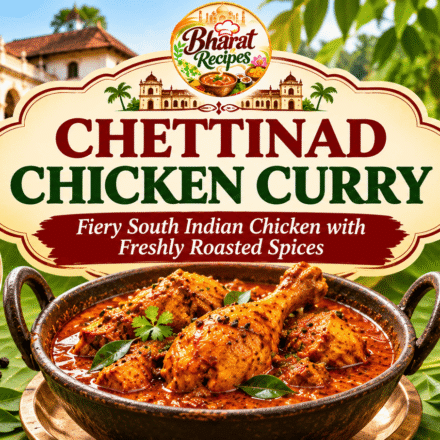
Chettinad Chicken Curry Recipe: Authentic South Indian Flavours
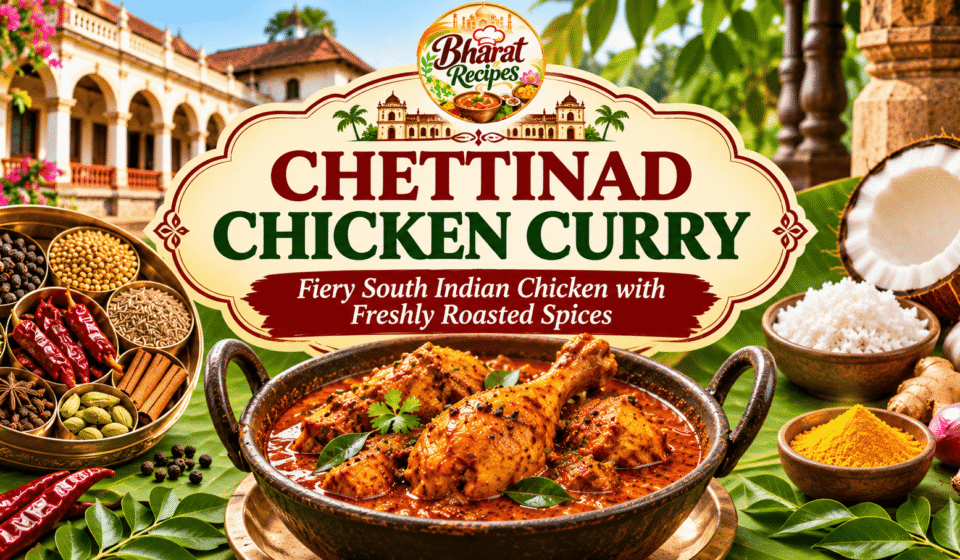
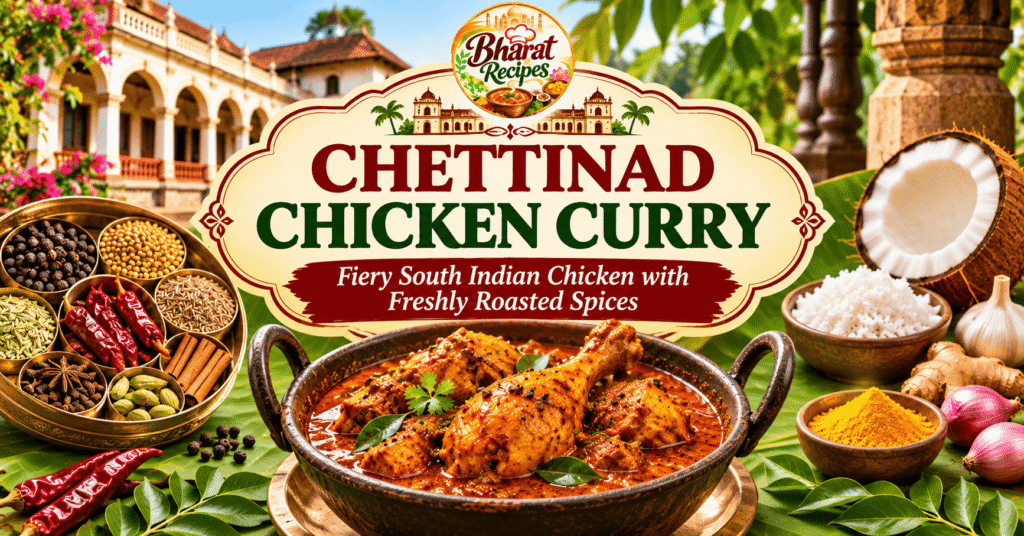
Chettinad Chicken Curry: A Fiery South Indian Classic with Freshly Roasted Spices
Chettinad Chicken Curry is famous for its bold aroma, deep spice and rich South Indian flavour. It comes from the Chettinad region of Tamil Nadu, where freshly roasted spices give traditional dishes their distinctive character. Black pepper, fennel, coriander, cumin, dried red chillies and curry leaves create a masala that is warm, fragrant and full of depth.
Unlike mild coconut-based curries, Chettinad Chicken Curry often has a stronger spice profile. The heat comes from chillies and pepper, while fennel and cinnamon add sweetness and aroma. Many home-style recipes also include coconut, which gives the gravy body and balances the sharper spices. The best part is the freshly prepared masala. Instead of relying only on ready-made curry powder, you roast whole spices in a pan and grind them into a fragrant mixture. When this masala cooks with onions, tomatoes, ginger, garlic and chicken, it creates a thick curry with a memorable flavour.
This recipe brings those familiar Chettinad flavours into a home kitchen. It uses everyday ingredients along with a few traditional spices that make the dish special. Serve it with steamed rice, dosa, idiyappam, appam or flaky parotta for a satisfying South Indian meal.
Table of Contents
- What Makes Chettinad Chicken Curry Special?
- A Taste of Chettinad’s Food Culture
- Understanding the Main Chettinad Spices
- Choosing the Right Chicken
- Ingredients for Chettinad Chicken Curry
- How to Marinate the Chicken
- How to Prepare Fresh Chettinad Masala
- How to Cook Chettinad Chicken Curry
- How to Get the Perfect Curry Consistency
- Tips for Restaurant-Style Chettinad Flavour
- Common Mistakes and How to Avoid Them
- Delicious Chettinad Chicken Variations
- What to Serve with Chettinad Chicken Curry
- Storage and Reheating Instructions
- Is Chettinad Chicken Curry a Healthy Meal?
- Frequently Asked Questions
- Bring the Flavours of Chettinad to Your Kitchen
What Makes Chettinad Chicken Curry Special?
Chettinad Chicken Curry stands out because of its freshly roasted spice blend. The masala brings together several ingredients, each with its own character. Pepper adds heat, fennel gives a sweet aroma, coriander provides warmth and cumin creates an earthy base.
Dried red chillies contribute colour and another layer of heat. Cinnamon, cloves and star anise add fragrance, while curry leaves bring a familiar South Indian aroma. Some recipes also use kalpasi, commonly called stone flower, and marathi mokku, a dried flower bud used in regional cooking.
Coconut is another important ingredient in many versions. Some cooks grind it into the masala, while others use it in a separate paste. It softens the sharpness of the spices and helps create a thick gravy.
The chicken absorbs the masala as it cooks. The result is a curry with a dark, aromatic coating and a rich sauce that works well with rice and traditional South Indian breads.
There is no single fixed formula for Chettinad Chicken Curry. The spice combination, coconut quantity and gravy thickness can differ between households. Some versions are fiery and dry, while others have a generous amount of gravy. This recipe follows a home-style curry method with freshly ground spices and a moderately thick sauce.
A Taste of Chettinad’s Food Culture
Chettinad is a historic region in southern Tamil Nadu, associated with the Nagarathar community, also known as the Nattukottai Chettiars. Its villages are known for distinctive architecture, traditional homes, business history and a well-developed food culture.
Chettinad cuisine is recognised for its use of freshly prepared spice blends. Pepper, fennel, cumin, coriander, cinnamon, cloves, star anise and dried chillies appear in many regional preparations. Ingredients such as coconut, curry leaves and tamarind also contribute to the cuisine’s flavour.
The region’s trading history is often discussed alongside its culinary traditions. Members of the Nagarathar community travelled for trade and developed connections beyond Tamil Nadu. These wider contacts are part of the cultural background often associated with Chettinad food, although individual recipes have their own local histories.
Food preparation also reflects the importance of home cooking. Traditionally, spices were roasted and ground before meals, rather than relying entirely on packaged blends. The aroma of freshly prepared masala remains one of the most recognisable features of the cuisine.
Chettinad cooking includes much more than chicken curry. The region is known for dishes such as pepper chicken, chicken varuval, fish preparations, prawn masala, vegetable curries, paniyaram and other traditional foods. Meals may include rice, lentils, vegetables, meat dishes and sweets served in a particular order. Chettinad Chicken Curry has become popular across India because of its strong flavour and flexible serving options. Restaurants often serve it with parotta, dosa or rice. At home, it is just as enjoyable with ordinary steamed rice.
Understanding the Main Chettinad Spices
The spice blend is the heart of this recipe. Each ingredient adds a different flavour, so it helps to understand what goes into the masala before roasting it.
Black pepper
Black pepper gives Chettinad curry much of its characteristic heat. It has a sharper, warmer flavour than many chilli powders. Use whole peppercorns for roasting and grinding.
Fennel seeds
Fennel adds a gentle sweetness and a distinctive aroma. It balances the stronger spices and gives the masala a rounded flavour.
Coriander seeds
Coriander seeds form the base of many Indian spice blends. They add warmth and a mild citrus-like note. Roasting them lightly brings out their aroma.
Cumin seeds
Cumin contributes an earthy, slightly smoky flavour. It works particularly well with coriander, fennel and black pepper.
Dried red chillies
Dried red chillies provide colour and heat. Kashmiri chillies are useful when you want a deep red shade without making the curry extremely hot. You can add a hotter variety if you prefer more spice.
Cinnamon, cloves and cardamom
These whole spices add fragrance and warmth. Use them in moderate quantities because too much can make the masala taste sweet or overpowering.
Star anise
Star anise has a strong, sweet aroma with a liquorice-like note. A small piece is enough for this recipe.
Kalpasi or stone flower
Kalpasi is a dried lichen used in several regional Indian spice blends. It adds a deep, earthy aroma. It is not available in every supermarket, so you can leave it out if necessary.
Curry leaves
Curry leaves add a fresh, unmistakable South Indian aroma. Add them to the hot oil during tempering. Fresh leaves give the best result.
Fresh coconut
Coconut gives the masala a fuller texture and helps balance the heat. Freshly grated coconut is ideal, but thawed frozen coconut is a practical substitute.
Choosing the Right Chicken
The chicken you choose affects the final texture of the curry. Bone-in chicken is a good option because the bones add flavour to the gravy during cooking. For this recipe, use about 750 g of chicken cut into medium-sized pieces. A mix of thighs, drumsticks and other curry-cut pieces works well.
Boneless chicken is also suitable if you prefer a quicker meal. Thigh meat usually stays juicier than breast meat during cooking. If you use chicken breast, avoid simmering it for too long. Fresh chicken should have a clean smell and firm texture. Keep it refrigerated until you are ready to prepare the recipe. If you are using frozen chicken, thaw it safely in the refrigerator before cooking.
Ask butcher/chicken shop for medium curry-cut pieces. Very large pieces take longer to cook, while very small pieces can become dry before the gravy reaches the right consistency.
Ingredients for Chettinad Chicken Curry
This recipe serves approximately four people.
For the chicken marinade
- 750 g chicken, preferably bone-in
- ½ teaspoon turmeric powder
- ½ teaspoon salt
- 1 tablespoon plain yoghurt
- 1 teaspoon lemon juice, optional
For the freshly roasted Chettinad masala
- 2 tablespoons coriander seeds
- 1 teaspoon cumin seeds
- 1½ teaspoons fennel seeds
- 1 teaspoon black peppercorns
- 5–6 dried red chillies
- 1 small cinnamon stick
- 3 cloves
- 2 green cardamoms
- 1 small piece of star anise
- ½ teaspoon fenugreek seeds
- 1 teaspoon poppy seeds, optional
- ½ cup freshly grated coconut
- 1 small piece of kalpasi, optional
For the curry
- 3 tablespoons coconut oil or gingelly oil
- 2 medium onions, finely chopped
- 2 medium tomatoes, chopped
- 1 tablespoon ginger-garlic paste
- 2 green chillies, slit lengthwise
- 1 sprig fresh curry leaves
- ½ teaspoon mustard seeds
- ¼ teaspoon turmeric powder
- ½ teaspoon red chilli powder, optional
- 1–1½ cups water, as needed
- Salt to taste
For garnish
- 2 tablespoons chopped coriander leaves
- A few fresh curry leaves
- ½ teaspoon crushed black pepper, optional
Ingredient note: Kalpasi and poppy seeds are optional in this home-style version. If you cannot find them, the curry will still have a strong Chettinad-inspired flavour. Adjust the number of dried chillies according to your preferred heat level.
How to Marinate the Chicken
Marinating gives the chicken a head start on flavour. The turmeric adds colour, while yoghurt and lemon juice bring mild acidity and help season the meat.
Step 1: Clean and prepare the chicken
Place the chicken pieces in a bowl. Remove any unwanted skin or excess fat if needed. Pat the pieces dry with kitchen paper.
Avoid washing raw chicken in the sink because splashing water can spread bacteria around the kitchen. If you need to remove visible residue, use a clean utensil and keep the preparation area sanitised.
Step 2: Add the marinade
Add turmeric powder, salt, yoghurt and lemon juice. Mix until every piece is lightly coated.
Cover the bowl and refrigerate for 30 minutes. You can leave it for up to two hours if you want to prepare the chicken ahead.
Do not leave raw chicken at room temperature while it marinates. Keep it chilled until you are ready to cook.
Step 3: Prepare the remaining ingredients
While the chicken rests, chop the onions and tomatoes. Peel and crush the ginger and garlic if you are not using ready-made paste.
Measure the spices for the masala and keep them ready. Once the roasting begins, the spices need attention because small seeds can burn quickly.
How to Prepare Fresh Chettinad Masala
Freshly roasted masala is what gives this curry its distinctive aroma. Roast the spices over low heat and let them cool before grinding. High heat can burn the smaller ingredients and make the curry bitter.
Step 1: Roast the whole spices
Heat a dry pan over low heat. Add coriander seeds, cumin seeds, fennel seeds, peppercorns, dried red chillies, cinnamon, cloves, cardamom, star anise and fenugreek seeds.
Roast them gently for three to five minutes, stirring often. The spices should become fragrant without turning very dark.
If you are using poppy seeds or kalpasi, add them towards the end. They need only a short time in the pan.
Step 2: Roast the coconut
Remove the roasted spices and set them aside. Add the grated coconut to the same pan.
Roast it over low heat until it becomes lightly golden and smells nutty. Stir continuously because coconut can burn quickly.
Do not wait for it to turn deep brown. Over-roasted coconut can give the curry a bitter taste.
Step 3: Cool the ingredients
Transfer the roasted spices and coconut to a plate. Allow them to cool completely before grinding.
This step matters because hot ingredients can create steam inside the grinder and affect the texture of the masala.
Step 4: Grind the masala
Add the roasted spices to a mixer grinder. Grind them into a fine powder.
Add the roasted coconut and a little water. Blend again until you get a smooth, thick paste.
Scrape down the sides of the jar if necessary. Add water gradually. The paste should be thick enough to coat the chicken rather than run like a thin liquid.
Keep the masala aside while you prepare the curry base.
How to Cook Chettinad Chicken Curry
Once the chicken is marinated and the masala is ready, the cooking process becomes straightforward. Use a heavy-bottomed kadai or deep pan so the spices cook evenly.
Step 1: Prepare the tempering
Heat coconut oil or gingelly oil in a kadai over medium heat. Add mustard seeds and let them crackle.
Add curry leaves and green chillies. Stir for a few seconds until the leaves release their aroma.
Be careful when adding curry leaves to hot oil because they may splutter.
Step 2: Cook the onions
Add the chopped onions and cook until they turn golden brown. Stir regularly so they soften evenly.
Do not rush this step. Properly cooked onions give the curry a deeper flavour and help create a thick base.
Step 3: Add ginger-garlic paste and tomatoes
Add the ginger-garlic paste and cook until its raw smell fades. Add the chopped tomatoes and stir well.
Cook until the tomatoes soften and break down into the onion mixture. The masala should look thick rather than watery.
Step 4: Add the roasted Chettinad masala
Lower the heat and add the ground spice-and-coconut paste. Stir continuously so it combines with the onion and tomato base.
Cook for about five minutes. If the paste begins to stick, add a small splash of water.
The masala should become fragrant and slightly darker. Avoid cooking it over high heat because the coconut can burn.
Step 5: Add the marinated chicken
Add the chicken pieces and mix gently until they are coated with the masala.
Cook uncovered for about five minutes, stirring occasionally. The chicken will release some moisture as it heats.
Allow the masala to cling to the chicken before adding the main cooking liquid.
Step 6: Add water and simmer
Pour in about one cup of water. Mix gently and bring the curry to a boil.
Lower the heat, cover the pan and simmer for 20–25 minutes, depending on the size and type of chicken pieces. Stir occasionally to prevent the masala from sticking.
If the gravy becomes too thick before the chicken is cooked, add a little more hot water. Avoid adding too much at once.
Step 7: Check that the chicken is cooked
Check the thickest piece near the bone. The chicken should be fully cooked, with no raw centre. If you use a food thermometer, the thickest part should reach 74°C.
If the chicken needs more time, cover the pan and continue cooking in short intervals.
Step 8: Finish the curry
Once the chicken is cooked, taste the gravy. Adjust the salt and add crushed black pepper if you want more heat.
Simmer uncovered for a few minutes if you prefer a thicker curry. Finish with chopped coriander leaves and a few fresh curry leaves.
Turn off the heat and let the curry rest for five minutes before serving. This short rest allows the masala to settle around the chicken.
How to Get the Perfect Curry Consistency
Chettinad Chicken Curry can be prepared with different gravy textures. Some versions are thick and cling closely to the chicken, while others have enough sauce to serve with rice.
For this recipe, aim for a moderately thick gravy. The masala should coat the chicken without becoming dry or pasty.
If the curry is too thick, add a little hot water and simmer briefly. Add the water in small amounts so the flavour does not become diluted.
If the gravy is too thin, remove the lid and simmer over low heat. Stir occasionally until some moisture evaporates. You can also mash a small amount of cooked onion and tomato into the sauce to give it more body.
Avoid adding flour or cornflour. The roasted coconut, onions and ground spices provide natural thickness.
If you want a drier preparation, continue cooking uncovered until the masala clings closely to the chicken. This version is closer to a semi-dry chicken masala and works well with dosa, parotta or chapati.
Tips for Restaurant-Style Chettinad Flavour
A few small details can make the curry more aromatic and satisfying.
Roast the spices slowly: Low heat brings out their aroma without burning them. Keep stirring and remove them once they become fragrant.
Use whole spices: Whole coriander, cumin, fennel and peppercorns give a fuller flavour when freshly roasted and ground.
Do not burn the coconut: Lightly golden coconut adds a nutty taste. Dark or burnt coconut can make the gravy bitter.
Choose the right oil: Coconut oil gives the curry a familiar coastal aroma. Gingelly oil is another suitable choice in Tamil-style cooking.
Cook the onions properly: Golden onions create a deeper base. Undercooked onions can leave the curry tasting raw.
Give the masala enough time: The ground paste needs to cook before you add the chicken. This helps remove its raw flavour.
Use bone-in chicken if possible: Bone-in pieces add depth to the gravy. Boneless thighs are a good alternative if you prefer easier serving.
Adjust the pepper and chilli separately: Pepper provides a different kind of heat from red chillies. Change their quantities independently to control the flavour.
Let the curry rest briefly: A short rest after cooking helps the flavours come together. Serve it while still hot.
Common Mistakes and How to Avoid Them
The curry tastes bitter
The spices or coconut may have been roasted for too long. Roast over low heat and stir constantly. Remove the spices as soon as they smell fragrant and the coconut turns lightly golden.
The curry is too spicy
Black pepper and dried red chillies both contribute heat. Reduce one or both in the masala. If the curry is already cooked, add a little more coconut paste or water and simmer gently.
The masala tastes raw
The ground paste may not have cooked long enough. Allow it to simmer with the onion and tomato base until the raw smell fades and the oil begins to separate around the edges.
The chicken becomes dry
Chicken breast can become dry if cooked for too long. Use thighs or bone-in pieces when possible. Check the chicken before the end of the suggested cooking time.
The gravy is too thin
Simmer uncovered to reduce excess water. Stir occasionally so the coconut masala does not stick to the bottom.
The gravy becomes too thick
Add hot water a little at a time. Stir gently and allow the curry to simmer for another minute or two so the consistency becomes even.
The masala feels grainy
The spices or coconut may not have been ground finely enough. Allow the roasted ingredients to cool and blend them thoroughly. Add water gradually to help the grinder produce a smooth paste.
The chicken does not absorb the flavour
The pieces may be too large, or the masala may not have coated them properly. Use medium-sized curry-cut pieces and stir them into the masala before adding water.
Delicious Chettinad Chicken Variations
Chettinad flavours work well with different cuts of chicken and cooking styles. You can adapt the recipe while keeping the freshly roasted spice blend at the centre.
Chettinad Pepper Chicken
Pepper chicken gives black pepper the leading role. Increase the peppercorns slightly and reduce the red chillies if you prefer a sharper, less chilli-heavy heat.
Use less water and cook until the masala coats the chicken. This creates a semi-dry dish that pairs well with rice, dosa or parotta.
Chettinad Chicken Roast
For a drier version, use the same roasted masala but reduce the cooking liquid. Cook the chicken until tender, then continue simmering uncovered.
Stir carefully so the masala coats each piece. Finish with curry leaves and a little crushed pepper.
Chettinad Chicken with Coconut Milk
If you prefer a smoother gravy, replace part of the water with coconut milk. Add it after the chicken has cooked for some time and keep the heat low.
This version is creamier and milder than the freshly ground coconut preparation. It is useful when you want a softer spice profile.
Chettinad Country Chicken Curry
Country chicken, also called nattu kozhi, is used in some traditional-style preparations. Its meat is firmer than regular broiler chicken and usually needs a longer cooking time.
Cook it in a pressure cooker or simmer it until tender, following the cooking method suitable for the meat. Adjust the water and spice quantities as needed.
Chettinad Boneless Chicken Curry
Use boneless thigh pieces for a quicker meal. Cut them into medium-sized pieces and follow the same marinade and masala method.
Reduce the cooking time and check the chicken early. Boneless meat cooks faster than bone-in pieces.
Mild Chettinad Chicken Curry
For a milder version, reduce the dried red chillies and black pepper. Keep the fennel, coriander, cumin and aromatic whole spices so the curry still has a strong flavour.
A little extra coconut can also soften the heat. Serve with plain rice or dosa.
What to Serve with Chettinad Chicken Curry
Chettinad Chicken Curry works with several South Indian staples. The best accompaniment depends on how thick you make the gravy.
Steamed rice: Plain rice is a simple choice for soaking up the aromatic gravy. It lets the spice blend remain the main attraction.
Dosa: Crisp dosa pairs well with a thick chicken curry. Break off a piece and dip it into the masala.
Idiyappam: These soft rice noodles absorb the gravy beautifully. They are especially good with a slightly thinner curry.
Appam: Soft-centred appam with crisp edges works well with the rich chicken masala. Its mild flavour balances the spices.
Parotta: Flaky South Indian parotta is a popular partner for spicy chicken curries. It is ideal for scooping up the thick gravy.
Chapati: A simple chapati is a practical option for everyday meals. It works especially well with a semi-dry curry.
You can also serve the curry with sliced onions, cucumber salad or plain yoghurt. These sides add freshness and help balance the heat.
For a fuller meal, include a simple vegetable poriyal or kootu. Keep the other dishes lightly seasoned so they do not compete with the chicken curry.
Storage and Reheating Instructions
Chettinad Chicken Curry can be prepared ahead, which makes it useful for family meals and gatherings. Store it safely and reheat only the portion you need.
Storing in the refrigerator
Allow the curry to cool slightly before transferring it to a clean, airtight container. Refrigerate it promptly and use it within three to four days.
The gravy may thicken as it rests. This is normal, especially because the recipe contains ground coconut and cooked onions.
Reheating the curry
Transfer the required portion to a pan. Add a small splash of water if the gravy has become too thick.
Reheat over medium-low heat, stirring gently. Make sure the chicken is steaming hot throughout before serving.
Avoid reheating the entire batch repeatedly. Take out only the amount you plan to eat.
Freezing Chettinad Chicken Curry
You can freeze the cooked curry in freezer-safe containers. Divide it into meal-sized portions and leave a little space at the top.
For best quality, use it within about two months. Thaw it in the refrigerator before reheating. The coconut gravy may separate slightly, so stir it gently while warming.
You can also prepare the roasted spice mix in advance. Allow it to cool completely and store it in an airtight jar away from heat and moisture. For the freshest flavour, use it within a few weeks.
Is Chettinad Chicken Curry a Healthy Meal?
Chettinad Chicken Curry can be part of a balanced meal. Chicken provides protein, while the spices add aroma and flavour without requiring heavy cream or large amounts of butter.
The nutritional value depends on the chicken cut, cooking oil, coconut quantity and portion size. Bone-in chicken and boneless thigh meat have different fat levels. Coconut also adds saturated fat, so the amount used in the masala matters.
You can make a few adjustments if you prefer a lighter version:
- Use a moderate amount of coconut oil or gingelly oil.
- Remove excess skin and visible fat from the chicken.
- Use a little less coconut in the masala.
- Serve with steamed rice and a vegetable side.
- Avoid adding extra cream or butter.
The recipe does not need cream to create a thick gravy. Roasted coconut, onions and ground spices provide enough body.
A balanced portion with chicken, rice and vegetables can make a satisfying meal. If you have specific dietary needs, adjust the ingredients and serving size according to your requirements.
Frequently Asked Questions
1. What makes Chettinad Chicken Curry different from regular chicken curry?
The main difference is its freshly roasted spice blend. Black pepper, fennel, coriander, cumin, dried red chillies and aromatic whole spices create a strong flavour. Many versions also use coconut and curry leaves.
2. Is Chettinad Chicken Curry very spicy?
It can be quite hot, but the spice level depends on the recipe. Black pepper and dried red chillies both contribute heat. You can reduce their quantities for a milder curry while keeping the other aromatic spices.
3. Can I make Chettinad masala without coconut?
Yes. Some versions use a spice-only masala, while others include coconut. This recipe uses coconut for a fuller gravy. If you leave it out, the curry will have a different texture and a sharper spice profile.
4. What is kalpasi, and is it necessary?
Kalpasi, also called stone flower, is a dried lichen used in some regional spice blends. It adds an earthy aroma. It is optional in this home-style recipe, so you can skip it if it is difficult to find.
5. Can I use ready-made Chettinad masala powder?
Yes. Ready-made masala is convenient when you do not have time to roast and grind spices. Use the quantity recommended on the packet and adjust the seasoning. The aroma may differ from a freshly prepared blend.
6. Can I use boneless chicken?
Yes. Boneless thigh meat is a good choice because it stays relatively juicy. Cut it into medium-sized pieces and reduce the cooking time. Check that it reaches 74°C in the thickest part.
7. Which oil is best for Chettinad Chicken Curry?
Coconut oil and gingelly oil are both suitable choices. Coconut oil adds a coastal aroma, while gingelly oil gives the curry a familiar South Indian flavour. A neutral cooking oil also works.
8. Can I prepare Chettinad masala in advance?
Yes. Roast and grind the spices, then store the cooled masala in an airtight container. Keep it away from moisture and direct sunlight. For the freshest aroma, use it within a few weeks.
9. Why does my Chettinad curry taste bitter?
The spices or coconut may have burned during roasting. Keep the heat low and stir continuously. Remove the ingredients as soon as they become fragrant and lightly golden.
10. Can I make Chettinad Chicken Curry in a pressure cooker?
Yes. Prepare the tempering, onion-tomato base and roasted masala in the cooker. Add the chicken and enough water, then pressure-cook according to the size of the pieces and your cooker’s instructions. Avoid adding too much water because the curry should have a thick masala coating.
11. What is the best side dish for Chettinad Chicken Curry?
Steamed rice, dosa, idiyappam, appam and parotta all work well. Choose rice for a meal with plenty of gravy, or parotta and dosa for a thicker curry.
12. Can I make Chettinad Chicken Curry without tomatoes?
Yes. Tomatoes are used in many home-style versions, but they are not essential to every preparation. You can reduce or omit them and adjust the sourness with a small amount of tamarind if needed.
Bring the Flavours of Chettinad to Your Kitchen
Chettinad Chicken Curry is a celebration of freshly roasted spices and bold South Indian cooking. Black pepper, fennel, coriander, cumin, dried red chillies and curry leaves come together to create a masala with plenty of aroma and depth.
The recipe takes a little preparation, but the process is simple. Roast the spices slowly, grind them with coconut and let the masala cook before adding the chicken. These steps help build the flavour without relying on complicated ingredients.
Serve the curry with steamed rice, dosa, appam or parotta. Adjust the heat to suit your family and enjoy a home-cooked dish inspired by the food traditions of Tamil Nadu.
Bharat Recipes celebrates Indian flavours, one memorable meal at a time.
Recipe note: Chettinad Chicken Curry varies between households and cooks. This is a home-style adaptation using a freshly roasted spice-and-coconut masala. It is not presented as the only traditional version or as a restaurant’s proprietary recipe.