
Lucknowi Galouti Kebab Recipe: Authentic Awadhi-Style Kebabs at Home
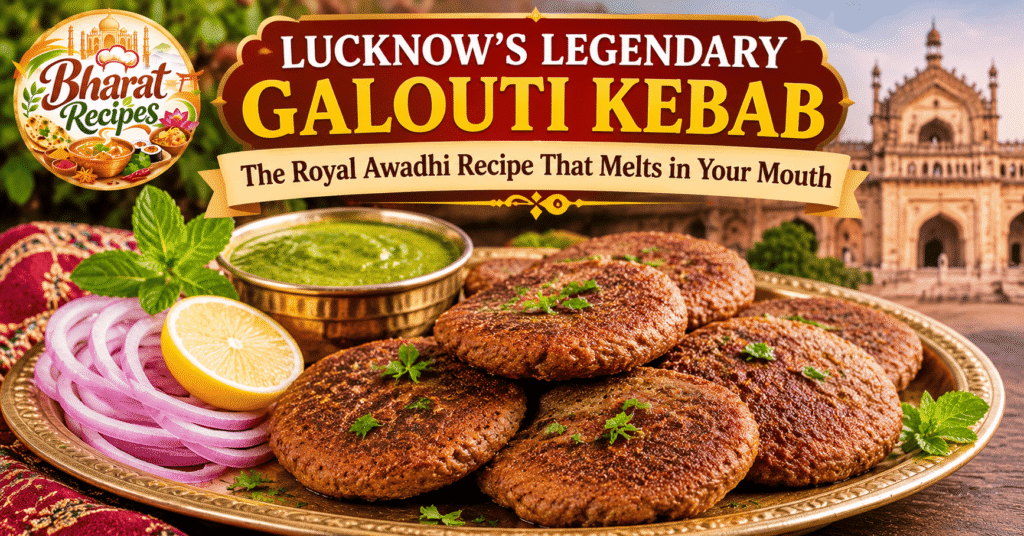
Lucknow’s Legendary Galouti Kebab: The Royal Awadhi Recipe That Melts in Your Mouth
Recipe details: Serves 4–5 | Preparation: 30 minutes | Marination: 2–4 hours | Cooking: 20–25 minutes | Difficulty: Moderate
Table of Contents
- The Famous Kebab That Almost Melts on Your Tongue
- What Makes Lucknowi Galouti Kebab Special?
- The Story Behind Lucknow’s Famous Galouti Kebab
- Galouti, Galawati and Tunday Kebab: Understanding the Difference
- Ingredients Required for Homemade Galouti Kebab
- Choosing the Right Meat and Spices
- Preparing the Aromatic Awadhi Spice Mix
- How to Prepare the Galouti Kebab Mixture
- The Importance of Raw Papaya in Galouti Kebab
- Shaping and Cooking the Kebabs
- How to Make Galouti Kebab Without a Traditional Tawa
- What to Serve with Lucknowi Galouti Kebab
- Common Mistakes to Avoid
- Popular Galouti Kebab Variations
- How to Store and Reheat Galouti Kebabs
- Frequently Asked Questions
- Bring the Flavours of Lucknow to Your Kitchen
The Famous Kebab That Almost Melts on Your Tongue
Some Indian dishes become famous because of their spices, while others win people over through their texture. Lucknowi Galouti Kebab belongs to the second category. These soft, fragrant kebabs are known for their delicate texture and rich Awadhi flavour. Unlike regular grilled kebabs, which often have a firm and chewy bite, galouti kebabs are prepared with finely minced meat and a carefully balanced mixture of spices.
The first bite reveals why this kebab has earned such a special place in Indian food culture. The meat feels soft, the spices release a gentle aroma and the fried onions add a pleasant sweetness. However, the dish does not depend on excessive chilli or heavy seasoning. Its appeal comes from the way the ingredients work together to create a rich but balanced flavour.
Galouti kebabs are closely associated with Lucknow, the capital of Uttar Pradesh. The city has a long culinary tradition shaped by Awadhi cooking, royal kitchens and local food establishments. Today, the kebab appears on restaurant menus, wedding spreads and special family meals across India. Many food lovers also travel to Lucknow specifically to experience its famous kebabs.
The good news is that you can prepare a delicious home version without special restaurant equipment. You need finely minced meat, raw papaya, fried onions, aromatic spices and a flat cooking pan. The preparation requires some patience, especially while grinding and mixing the meat. However, once you understand the method, you can recreate the famous Lucknowi flavour in your own kitchen.
What Makes Lucknowi Galouti Kebab Special?
The word galouti is commonly associated with softness. That description captures the main characteristic of this kebab. The meat is ground very finely and mixed with ingredients that help create a tender texture. Raw papaya is often used as a natural meat tenderiser, while fried onions, ginger, garlic and spices provide flavour. The mixture is shaped into small patties and cooked gently in ghee or oil.
The texture separates galouti kebab from many other Indian kebabs. Seekh kebabs are shaped around skewers, while shami kebabs usually include cooked meat and lentils in their mixture. Galouti kebabs, on the other hand, use a finely prepared meat mixture that forms soft, flat patties. The final kebab should hold its shape while remaining tender inside.
Awadhi cooking also places importance on aroma and balance. Cooks often use cardamom, cloves, cinnamon, mace, nutmeg and other warm spices in carefully measured quantities. Some traditional preparations use elaborate spice blends, but home cooks can achieve a satisfying result with a smaller selection of fresh spices. The goal is to create a fragrant kebab rather than a mixture that tastes overwhelmingly of masala.
Another important feature is the cooking method. Galouti kebabs are generally cooked on a flat griddle or tawa with a little ghee. The heat should remain moderate because the patties are delicate and can break if handled roughly. A gentle golden crust forms on the outside while the inside remains soft and moist. This contrast makes the kebab particularly enjoyable.
The Story Behind Lucknow’s Famous Galouti Kebab
Lucknow has earned a special reputation for its Awadhi food. Its kitchens developed elaborate preparations that combined meat, rice, bread, spices and slow cooking techniques. Kebabs became an important part of this culinary identity, with different varieties appearing in restaurants, family kitchens and traditional food establishments.
A popular story connects galouti kebab with Nawab Asaf-ud-Daula, who is said to have experienced difficulty chewing. According to the legend, his cooks created an exceptionally soft meat preparation so that he could enjoy kebabs without struggling with their texture. The meat was ground very finely and combined with spices and tenderising ingredients. This story is widely repeated in accounts of Lucknow’s food heritage.
However, the exact historical details are not fully established. Different accounts describe the origin and development of galouti kebab in different ways. It is therefore better to understand the Nawab story as a famous culinary legend rather than a confirmed account of one specific event. What is clear is that the dish became closely associated with Lucknow and its refined Awadhi cooking tradition.
The name Tunday Kababi is also strongly connected with Lucknow’s kebab culture. The establishment is associated with Haji Murad Ali, popularly known as Tunday, and is widely credited with popularising a particular version of galawati kebab. The name and its history have become part of the city’s food identity. The Government of India’s Incredible India tourism material also describes galawati and Tunday kebabs as important parts of Lucknow’s culinary heritage.
Today, galouti kebabs are enjoyed far beyond the old streets of Lucknow. Restaurants across India serve their own versions, while home cooks adapt the preparation to suit available ingredients and equipment. Despite these variations, the central idea remains the same: finely prepared meat, aromatic seasoning and a tender final texture.
Galouti, Galawati and Tunday Kebab: Understanding the Difference
You may see the names galouti, galawati and Tunday kebab used in different restaurants and recipes. These terms are closely related, but they do not always refer to exactly the same preparation. Understanding the difference can help you choose the right recipe and avoid confusion while shopping for ingredients.
Galouti or galawati kebab refers to the soft minced-meat kebab associated with Awadhi cuisine. The mixture usually contains finely ground meat, spices and a tenderising ingredient such as raw papaya. Cooks shape it into flat patties and cook it gently on a tawa.
Tunday kebab is associated with the famous Lucknow establishment founded by Haji Murad Ali. Its preparation is linked to the broader galawati tradition, but the restaurant’s version has its own identity and reputation. Public accounts often mention an elaborate spice blend, although the exact commercial recipe is not publicly established.
Shami kebab is another popular Indian kebab, but it uses a different preparation. It generally combines cooked meat with lentils, spices and other ingredients. The mixture is ground, shaped into patties and fried. Because lentils form an important part of the preparation, shami kebabs have a different texture and flavour from galouti kebabs.
| Kebab | Main ingredients | Typical shape | Main characteristic |
|---|---|---|---|
| Galouti | Finely minced meat, spices, tenderiser | Flat patties | Very soft texture |
| Tunday | Restaurant-style galawati mixture | Flat patties | Famous Lucknow preparation |
| Shami | Meat, lentils and spices | Flat patties | Firm but soft interior |
| Seekh | Minced meat and spices | Long kebabs | Cooked around skewers |
For this recipe, we will prepare a home-style galouti kebab using minced mutton, raw papaya and an aromatic spice mixture. It captures the main qualities of the Lucknowi dish without claiming to reproduce any restaurant’s secret formula.
Ingredients Required for Homemade Galouti Kebab
The ingredients for galouti kebab are relatively simple, although the quality of the meat and spices matters. Choose fresh minced meat with a little natural fat because extremely lean meat can produce dry kebabs. The fat helps the patties remain moist during cooking. You should also prepare the ingredients before grinding so that the mixture comes together evenly.
A. Main ingredients
- 500 g finely minced mutton or lamb
- 2 tablespoons raw papaya paste
- 2 tablespoons thick yoghurt
- 1 medium onion, thinly sliced
- 2 tablespoons ginger-garlic paste
- 2 green chillies, finely chopped
- 2 tablespoons fresh coriander, finely chopped
- 1 tablespoon fresh mint, finely chopped
- 1 tablespoon roasted gram flour, if needed for binding
- 1 tablespoon lemon juice
- 1 teaspoon red chilli powder
- ½ teaspoon turmeric powder
- 1 teaspoon coriander powder
- ½ teaspoon cumin powder
- Salt to taste
- 3–4 tablespoons ghee for cooking
B. Whole spices for the homemade Awadhi blend
- 4 green cardamom pods
- 4 cloves
- 1 small cinnamon stick
- ½ teaspoon black peppercorns
- ½ teaspoon cumin seeds
- ½ teaspoon coriander seeds
- 1 small piece of mace
- A small pinch of nutmeg
- 1 black cardamom pod, optional
C. For serving
- Thinly sliced onions
- Lemon wedges
- Fresh coriander leaves
- Mint chutney
- Roomali roti or paratha
- Sheermal, if available
The recipe uses a modest spice selection that is practical for home cooking. Some traditional and restaurant preparations use more elaborate blends, but you do not need dozens of ingredients to prepare a flavourful version. Keep the quantities balanced so that the taste of the meat remains noticeable.
Choosing the Right Meat and Spices
The meat plays the biggest role in the final texture. Mutton is a traditional choice for many galouti preparations, although lamb and other suitable meats can also work. Ask your butcher for finely minced meat with a little fat. If the mince looks coarse, pass it through a food processor until it becomes finer and more uniform.
Avoid using completely lean meat if you want soft kebabs. A small amount of fat helps prevent the patties from becoming dry during cooking. However, excessive fat can cause the mixture to release too much liquid and make the patties difficult to handle. A balanced mince gives the best result for a home recipe.
Fresh spices are equally important. Cardamom, cloves, cinnamon and pepper lose their aroma over time, especially when stored in open containers. Buy small quantities and keep them in airtight jars away from heat and moisture. You can grind the spice mixture shortly before preparing the kebabs to preserve its fragrance.
Raw papaya also deserves attention. It contains natural enzymes that help break down meat proteins, making the mixture more tender. However, too much papaya or an excessively long marination can make the meat mushy. Use the recommended quantity and keep the marination period under control. This gives you a soft kebab without destroying its structure.
Preparing the Aromatic Awadhi Spice Mix
A homemade spice blend gives galouti kebab a fresh and balanced aroma. Instead of buying a large quantity of ready-made kebab masala, you can roast a small selection of whole spices and grind them. This allows you to control the strength of the flavour and adjust the blend according to your preference.
Step 1: Measure the spices
Take the green cardamom, cloves, cinnamon, black peppercorns, cumin seeds and coriander seeds. Add mace and a small pinch of nutmeg. If you enjoy a slightly deeper aroma, include one black cardamom pod. However, use it sparingly because its smoky flavour can overpower the other spices.
Step 2: Dry roast gently
Place a small pan over low heat and add the whole spices. Roast them for a short time until they release their aroma. Keep stirring so that the spices do not burn. Remove the pan from the heat as soon as the fragrance becomes noticeable.
Step 3: Cool and grind
Allow the spices to cool completely before grinding. Transfer them to a clean spice grinder and process them into a fine powder. Avoid grinding them while hot because the heat can affect the aroma and create moisture inside the grinder.
Step 4: Measure the quantity
Use approximately 1–1½ teaspoons of the prepared blend for this recipe, adjusting it to your taste. Store the remaining powder in a small airtight container. You can use it in other kebab preparations, meat curries or pulao, but freshly ground spices generally offer the best aroma.
The spice blend should support the flavour of the meat rather than hide it. Start with a smaller quantity if you are unsure about the strength. You can always adjust the seasoning in your next batch.
How to Prepare the Galouti Kebab Mixture
The texture of the meat mixture determines whether your kebabs will remain soft and hold their shape. Traditional preparations often involve very fine grinding, which creates a smooth mixture. At home, you can use a food processor or ask your butcher to mince the meat finely. Work in small batches so that the mixture does not become uneven.
Step 1: Prepare the onions
Slice the onion thinly and heat a little oil or ghee in a pan. Fry the onions over medium heat until they become golden brown. Remove them and allow them to cool. Once cooled, crush them gently into smaller pieces or grind them into a coarse paste.
Step 2: Prepare the meat
Place the minced mutton in a large mixing bowl. If the mince appears coarse, process it briefly in a food processor. Avoid adding too much water during grinding. The meat should become fine and cohesive without turning into a liquid paste.
Step 3: Add the tenderising ingredients
Add the raw papaya paste and thick yoghurt to the meat. Mix them evenly so that every portion receives some of the marinade. Add ginger-garlic paste, lemon juice, turmeric, red chilli powder, coriander powder and cumin powder.
Step 4: Add the aromatic ingredients
Mix in the prepared Awadhi spice blend, chopped green chillies, coriander and mint. Add the fried onions and salt. Use clean hands or a sturdy spoon to combine everything until the mixture becomes uniform.
Step 5: Check the consistency
The mixture should feel soft and slightly sticky, but it should not be watery. If it feels too loose, add a little roasted gram flour and mix again. Use only the amount needed to help the mixture hold its shape. Too much flour can make the kebabs dense and change their traditional texture.
Step 6: Refrigerate
Cover the bowl and refrigerate the mixture for approximately 2–4 hours. This allows the spices to distribute through the meat and gives the tenderising ingredients time to work. Keep the mixture refrigerated throughout this period because it contains raw meat.
Before shaping the kebabs, check the consistency once more. If the mixture feels very soft, chill it briefly rather than adding a large quantity of flour. A cool mixture is easier to shape and handle.
The Importance of Raw Papaya in Galouti Kebab
Raw papaya is an important ingredient in many tenderised meat preparations. It contains an enzyme called papain, which helps break down proteins. This action softens the meat and makes it easier to create the delicate texture associated with galouti kebabs.
However, raw papaya needs careful measurement. Adding too much can break down the meat excessively and make the mixture mushy. If the mixture becomes too soft, the patties may fall apart while cooking. For 500 g minced meat, two tablespoons of raw papaya paste provide a practical starting point for this home recipe.
Use unripe green papaya rather than ripe yellow papaya. Peel it, remove the seeds and grind a small piece into a smooth paste. Do not add excessive water while grinding because the marinade should remain thick. If fresh raw papaya is unavailable, you can use a suitable commercial meat tenderiser according to its label, although the flavour and texture may differ.
The marination time also matters. Keep the mixture refrigerated and avoid leaving it for an unnecessarily long period. The exact tenderising effect depends on the papaya, the meat and the size of the mince. Check the mixture before shaping rather than assuming that longer marination always produces a better result.
Shaping and Cooking the Kebabs
Once the meat mixture is ready, shape it into small, flat patties. Keep the patties relatively thin so that they cook evenly. Avoid pressing them too hard because excessive pressure can make the texture dense. Lightly grease your palms if the mixture sticks to your fingers.
Step 1: Divide the mixture
Take a small portion of the chilled meat mixture and roll it gently between your palms. Make a smooth ball and flatten it into a round patty. Repeat the process until you use the entire mixture. Try to keep the patties similar in size so that they cook at roughly the same rate.
Step 2: Heat the tawa
Place a heavy, flat tawa or frying pan over medium-low heat. Add a little ghee and spread it across the surface. The pan should be warm enough to cook the kebabs gently without burning their outer layer. Avoid very high heat because the patties are delicate.
Step 3: Place the patties
Carefully place a few patties on the tawa, leaving space between them. Do not overcrowd the pan because that can lower the temperature and make the kebabs release moisture. Allow the underside to cook before attempting to turn them.
Step 4: Turn gently
Once the first side develops a light golden crust, turn the patties carefully with a thin spatula. Cook the other side until it is fully done. The exact time depends on the thickness of the patties and the heat of the pan. Use a moderate flame and avoid pressing the kebabs while they cook.
Step 5: Check the centre
Mutton and lamb mince must cook thoroughly. Use a food thermometer to check the centre of a patty. Ground meat should reach a safe internal temperature of 71°C (160°F). If the kebabs need more time, reduce the heat and continue cooking until they reach that temperature.
Step 6: Serve immediately
Transfer the cooked kebabs to a serving plate. Allow them to rest briefly, then garnish with sliced onions, lemon wedges and coriander. Serve them while warm with mint chutney and roomali roti.
A properly cooked galouti kebab should remain soft and moist without falling apart completely. The outside may have a light golden colour, but it should not develop a thick, hard crust. Gentle cooking helps preserve the texture that makes this dish special.
How to Make Galouti Kebab Without a Traditional Tawa
You do not need a traditional Lucknowi cooking setup to prepare galouti kebabs. A heavy frying pan, cast-iron skillet or non-stick pan can work well. The main requirement is even heat distribution. Choose a pan that allows the patties to cook without sticking or burning.
A cast-iron pan can produce a pleasant browned surface, but it needs proper seasoning and careful heat control. A non-stick pan makes turning the delicate patties easier, especially for beginners. Use a small amount of ghee and avoid overheating the pan. The kebabs should cook gradually rather than fry aggressively.
You can also use an electric griddle if you have one. Set it to a moderate temperature and test one small patty before cooking the entire batch. If the mixture sticks or breaks, chill it again and check whether it needs a small amount of roasted gram flour. Do not add excessive binding ingredients simply to make the patties easier to handle.
An air fryer is another possible option, but it may produce a different texture from traditional tawa-cooked galouti kebabs. The circulating hot air can dry the outside more quickly. If you try this method, lightly grease the patties, cook a small test batch and check the internal temperature carefully. Treat it as a modern adaptation rather than a traditional preparation.
What to Serve with Lucknowi Galouti Kebab
Galouti kebabs are rich and aromatic, so they pair well with light accompaniments. Thinly sliced onions, lemon wedges and fresh mint chutney provide freshness and balance. You can also serve them with green coriander chutney or a simple yoghurt dip. These additions allow the flavour of the kebab to remain at the centre of the meal.
Roomali roti is one of the most familiar accompaniments for Lucknow-style kebabs. Its thin, soft texture makes it easy to wrap around a kebab with onions and chutney. Sheermal, a mildly sweet and soft bread, is another option associated with Awadhi food. If neither is available, serve the kebabs with soft paratha or a thin homemade roti.
For a more complete meal, combine galouti kebabs with a simple pulao, salad and a yoghurt-based side dish. However, avoid adding too many rich accompaniments because the kebabs already contain fat and aromatic spices. A balanced plate will allow you to enjoy the delicate texture without feeling overwhelmed.
You can also serve the kebabs as a starter at a family gathering. Arrange them on a warm platter and garnish with mint leaves and lemon. Keep the chutney in a separate bowl so that guests can add as much as they prefer. This presentation works well for festive meals and special occasions.
Common Mistakes to Avoid
Galouti kebabs require a little more care than ordinary minced-meat patties. Their soft texture makes them delicious, but it also means that the mixture can break if it contains too much moisture or lacks enough structure. Fortunately, a few simple steps can prevent most problems.
Using coarse mince: Large meat pieces can make the kebabs chewy. Ask for fine mince or process the meat briefly at home. The mixture should look uniform before you add the other ingredients.
Adding too much raw papaya: Excessive tenderiser can make the meat mushy. Measure the papaya and keep the marination period controlled. If the mixture becomes too soft, chilling may help, but it cannot fully reverse excessive tenderising.
Using watery yoghurt: Thin yoghurt adds unnecessary moisture. Use thick curd and drain excess liquid before adding it to the meat. This helps the mixture hold together during shaping and cooking.
Adding too much gram flour: Gram flour can help bind a loose mixture, but too much makes the kebabs dense. Add it only when needed and use small quantities. The meat should remain the main ingredient.
Cooking over high heat: Strong heat can burn the outside before the centre cooks. Use medium-low heat and allow the patties to cook gently. A heavy pan helps distribute heat more evenly.
Turning the patties too early: Galouti kebabs can break if you move them before the first side has set. Let the underside cook and form a light crust. Then turn the patties carefully with a thin spatula.
Using very lean meat: Extremely lean mince may produce dry kebabs. A little natural fat improves moisture and flavour. However, avoid excessive fat because it can make the mixture greasy.
Ignoring food safety: Raw minced meat needs careful handling. Keep it refrigerated during marination and cook it thoroughly. Ground mutton or lamb should reach 71°C (160°F) at the centre before serving.
Popular Galouti Kebab Variations
The traditional mutton version remains a favourite, but home cooks can adapt the preparation to suit different diets and ingredient availability. The important thing is to understand how each substitute affects texture. You may need to adjust the binding ingredients, cooking time and seasoning.
Chicken Galouti Kebab
Chicken galouti kebabs offer a lighter alternative to mutton. Use finely minced chicken with a little fat rather than an extremely lean mixture. Add the same spice blend, fried onions, yoghurt and a measured quantity of raw papaya. Since chicken mince can become soft quickly, keep the mixture chilled and handle the patties gently.
Cook chicken kebabs until the centre reaches 74°C (165°F). Do not assume that a golden exterior means the inside is ready. Serve them with mint chutney, onions and roomali roti. This version works well for people who prefer chicken over red meat.
Vegetarian Galouti-Style Kebab
A vegetarian version can use a mixture of mushrooms, paneer, potatoes or cooked lentils. However, it should be described as a galouti-style kebab rather than an identical traditional galouti preparation. The texture will differ because vegetables and paneer do not behave like finely minced meat.
Cook the vegetables first and remove excess moisture before grinding. Add roasted gram flour or another suitable binder in small quantities. Mix in the Awadhi spices, fried onions, mint and coriander, then shape the mixture into small patties. Pan-fry them gently until they develop a light crust.
Paneer Galouti Kebab
Paneer makes a convenient vegetarian base because it can be crumbled and mixed with spices. Combine grated paneer with fried onions, ginger-garlic paste, chopped herbs and a small amount of roasted gram flour. You can add mashed boiled potato if the mixture needs more binding.
Shape the mixture into small patties and cook them over medium-low heat. Avoid using too much oil because paneer can become greasy. Serve with mint chutney and sliced onions.
Spicier Lucknowi-Style Kebab
If you prefer a stronger chilli flavour, increase the green chillies slightly or add a little more red chilli powder. However, keep the aromatic spices balanced. Galouti kebabs should not taste only of chilli because their identity comes from the softness of the meat and the layered spice aroma.
Restaurant-Style Rich Kebab
For a richer home version, use a little more ghee while cooking and include freshly fried onions in the mixture. You can also serve the kebabs with sheermal or roomali roti. However, avoid adding excessive butter, cream or artificial flavouring. The traditional appeal comes from the meat, spice blend and careful cooking.
How to Store and Reheat Galouti Kebabs
Galouti kebabs taste best when served freshly cooked because their soft texture is most noticeable while warm. However, you can store leftovers safely if you handle them correctly. Allow the kebabs to cool slightly and transfer them to a clean, shallow airtight container. Refrigerate them within two hours of cooking, or sooner in very hot weather.
Store cooked kebabs in the refrigerator and consume them within 3–4 days. If you want to keep them longer, freeze them in suitable portions. Separate the patties with food-safe paper if necessary so that they do not stick together. Label the container with the date to help you track storage time.
Reheat the kebabs in a covered pan over low heat with a few drops of water or a little ghee. You can also use a microwave-safe plate and heat them in short intervals until they are steaming hot throughout. Reheated food should reach 74°C (165°F). Avoid reheating the same portion repeatedly because it can affect both texture and safety.
You can also prepare the raw mixture in advance, provided you keep it refrigerated and follow safe storage guidance. Shape and cook the patties closer to serving time for a fresher texture. Do not leave raw minced meat at room temperature while preparing other dishes.
Frequently Asked Questions
1. What is Lucknowi Galouti Kebab made of?
Traditional galouti kebabs are generally prepared with finely minced meat, aromatic spices and tenderising ingredients. Raw papaya is commonly used to soften the meat. Fried onions, yoghurt, ginger, garlic and fresh herbs add flavour and moisture.
2. Why are galouti kebabs so soft?
The meat is ground very finely, and ingredients such as raw papaya help tenderise it. The mixture is also cooked gently on a flat pan. These steps create a softer texture than many other kebab varieties.
3. Is galouti kebab the same as Tunday kebab?
They are closely related, but the names are not always interchangeable. Galouti or galawati refers to a style of soft minced-meat kebab. Tunday kebab is associated with a famous Lucknow establishment and its particular preparation.
4. Can I make galouti kebab with chicken?
Yes. You can prepare a chicken version using finely minced chicken, spices, fried onions and a measured amount of raw papaya. Cook the patties until the centre reaches 74°C (165°F). The texture will differ slightly from mutton galouti.
5. Can I make galouti kebab without raw papaya?
You can use a suitable commercial meat tenderiser according to its instructions. However, the result may differ from a preparation using fresh raw papaya. You can also make a kebab without tenderiser, but the texture may be firmer.
6. Why do my galouti kebabs break while cooking?
The mixture may contain too much moisture, insufficient binding or coarse mince. It may also be too warm when you shape the patties. Chill the mixture, check its consistency and add a little roasted gram flour only if needed.
7. Which meat is best for galouti kebab?
Mutton and lamb are common choices for traditional-style galouti kebabs. Choose finely minced meat with a little natural fat. Extremely lean meat can make the final kebabs dry.
8. Can I prepare galouti kebab without ghee?
Yes. You can use a neutral cooking oil, although ghee provides a familiar rich aroma. Use a small quantity and cook the patties over moderate heat. The choice depends on your preference and dietary needs.
9. What is the best bread to serve with galouti kebab?
Roomali roti is a popular accompaniment. Sheermal and soft paratha also work well. You can serve the kebabs with onions, lemon and mint chutney for a simple meal.
10. Is galouti kebab very spicy?
It does not need to be extremely spicy. Its flavour comes from aromatic spices, herbs and the natural taste of the meat. You can reduce the green chillies and chilli powder if you prefer a milder version.
11. Can I freeze galouti kebab?
Yes. You can freeze cooked kebabs in airtight containers or food-safe freezer bags. Separate the patties so they do not stick together. Thaw them safely in the refrigerator and reheat until steaming hot throughout.
12. Can I make galouti kebab in an air fryer?
You can prepare an adapted version in an air fryer, but the texture may differ from tawa-cooked kebabs. Lightly grease the patties and test a small batch first. Check that the centre reaches the safe cooking temperature for the meat you use.
Bring the Flavours of Lucknow to Your Kitchen
Lucknowi Galouti Kebab represents the careful balance that makes Awadhi food so memorable. It does not rely on excessive heat or complicated presentation. Instead, it brings together finely minced meat, fragrant spices, fried onions and gentle cooking to create a soft and flavourful dish. Every stage contributes to the final texture, from choosing the right mince to controlling the heat on the tawa.
You do not need to reproduce a restaurant’s secret recipe to enjoy a satisfying galouti kebab at home. Start with good-quality meat, use fresh spices and measure the raw papaya carefully. Give the mixture enough time to rest in the refrigerator, then shape the patties gently. Most importantly, cook them thoroughly without using excessive heat.
Once you become comfortable with the basic method, try chicken, paneer or vegetarian adaptations. Serve the kebabs with roomali roti, mint chutney, sliced onions and lemon. You can prepare them for a festive meal, a family gathering or a special weekend dinner.
At Bharat Recipes, we believe that regional Indian food deserves a place in everyday home cooking. Galouti kebab brings a taste of Lucknow’s celebrated food culture to your table and offers a wonderful way to explore Awadhi cuisine. Prepare a fresh batch, serve it warm and enjoy one of India’s most memorable kebab traditions.








[…] Recipes celebrates Indian flavours, one memorable meal at a […]
[…] chicken becomes […]
[…] Step 2: Prepare the Masala Base […]